Managing money wisely is essential for financial security, stability, and future growth. Whether you’re just starting your financial journey or refining existing habits, understanding core principles can help you make confident, informed decisions.
Understanding the Foundations of Personal Finance
1. Creating a Realistic Budget
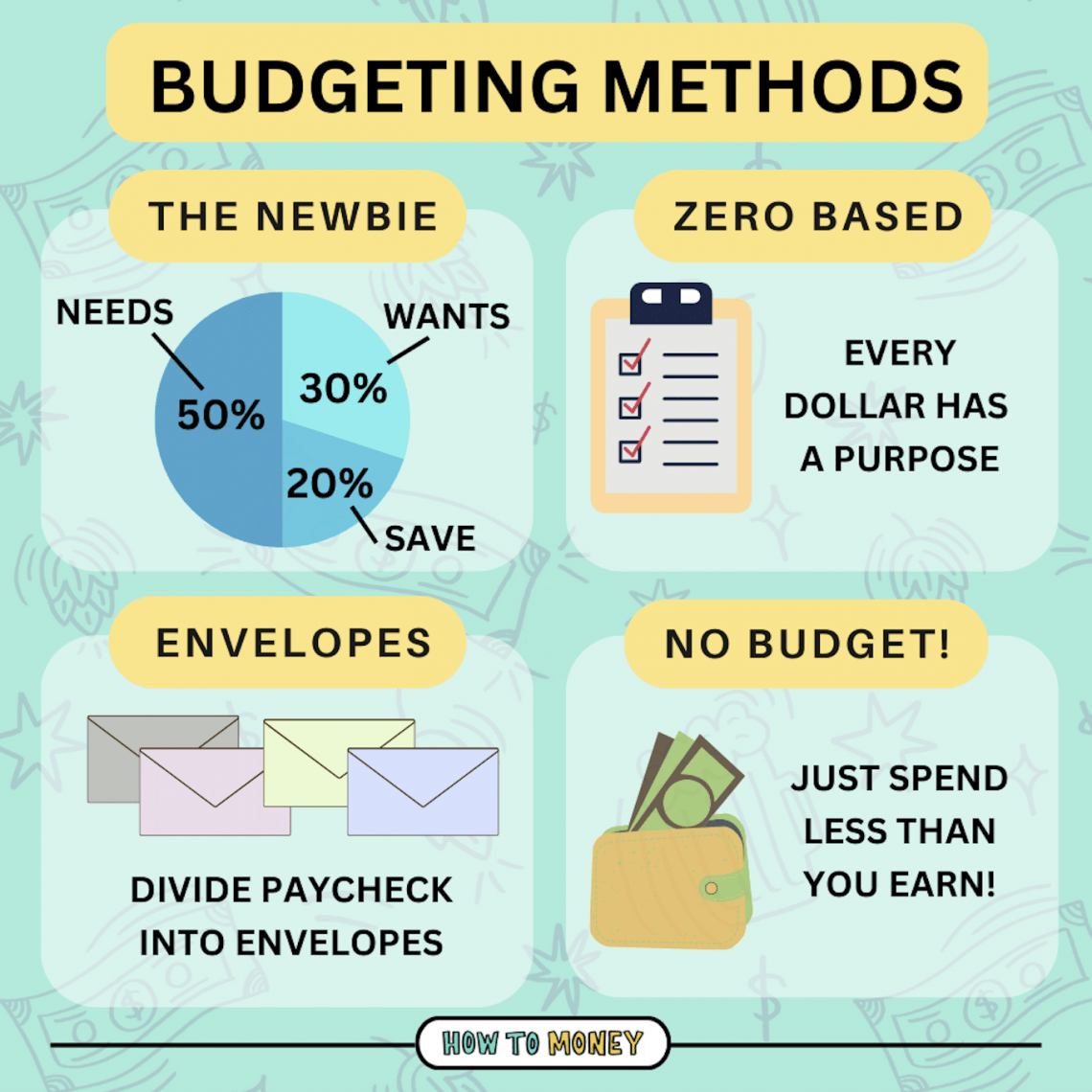
A budget is the backbone of good financial management. It helps you track income, manage expenses, and avoid unnecessary overspending. Effective budgets typically include:
- Essential expenses such as housing, utilities, and groceries
- Savings contributions for emergencies and long-term goals
- Discretionary spending for entertainment and personal needs
Consistency is key—review your budget regularly and adjust as life changes.
2. Building an Emergency Fund
An emergency fund acts as a safety net during unexpected situations. A strong fund usually covers:
- 3–6 months of living expenses
- Medical emergencies
- Sudden home or car repairs
- Income disruption
Having this buffer reduces stress and prevents the need for high-interest debt.
3. Understanding and Managing Debt
Healthy financial planning includes responsible debt management. Consider:
- Paying down high-interest debt first
- Avoiding unnecessary loans
- Maintaining a good credit score
- Monitoring interest rates and repayment timelines
Good credit habits open doors to better loan terms and financial opportunities.
Growing Wealth Through Smart Investing
1. Start Early for Long-Term Growth
The earlier you begin investing, the more you benefit from compound growth. Even small, consistent contributions can grow significantly over time.
2. Diversify Your Portfolio
Diversification spreads risk and stabilizes returns. A balanced portfolio may include:
- Stocks
- Bonds
- Index funds or ETFs
- Real estate investments
Mixing different asset classes helps safeguard your investments in fluctuating markets.
3. Understand Your Risk Tolerance
Your comfort with risk determines the types of investments suitable for you. Factors influencing risk tolerance include:
- Age
- Income stability
- Financial goals
- Personal preferences
Choose investments that align with your financial timeline and comfort level.
Smart Saving Strategies
Automate Your Savings
Automation ensures consistent progress toward financial goals without relying on willpower.
Take Advantage of Tax-Advantaged Accounts
Options such as retirement accounts or education savings plans can reduce tax burdens and support long-term plans.
Set Clear, Achievable Goals
Break financial objectives into short-term, mid-term, and long-term categories to stay motivated and organized.
Planning for the Future
1. Retirement Planning
Start early and contribute regularly to retirement accounts. Consider employer matching programs when available.
2. Insurance for Protection
Insurance safeguards your financial stability. Types to consider include:
- Health insurance
- Life insurance
- Disability insurance
- Home or renters’ insurance
3. Estate Planning
Creating a will, assigning beneficiaries, and organizing legal documents ensure your assets are handled according to your wishes.
FAQs
1. How can I improve my credit score quickly?
Paying bills on time, reducing credit card balances, and avoiding new debt can gradually strengthen your score.
2. What percentage of my income should I save every month?
A common guideline is 20%, but the ideal amount depends on your financial goals and expenses.
3. Are index funds a good option for beginners?
Yes. Index funds are generally low-cost, diversified, and easy to manage, making them suitable for new investors.
4. How do I avoid living paycheck to paycheck?
Building a budget, reducing unnecessary expenses, and gradually increasing your emergency fund can help break the cycle.
5. Should I prioritize paying off debt or investing?
High-interest debt should usually be paid off first, but balancing both is often the best long-term strategy.
6. How often should I revisit my financial plan?
Review your plan at least once a year or after major life changes like a new job, marriage, or purchasing a home.
7. What’s the safest way to start investing with little money?
Begin with low-cost index funds, micro-investing apps, or employer-sponsored retirement accounts that allow small contributions.