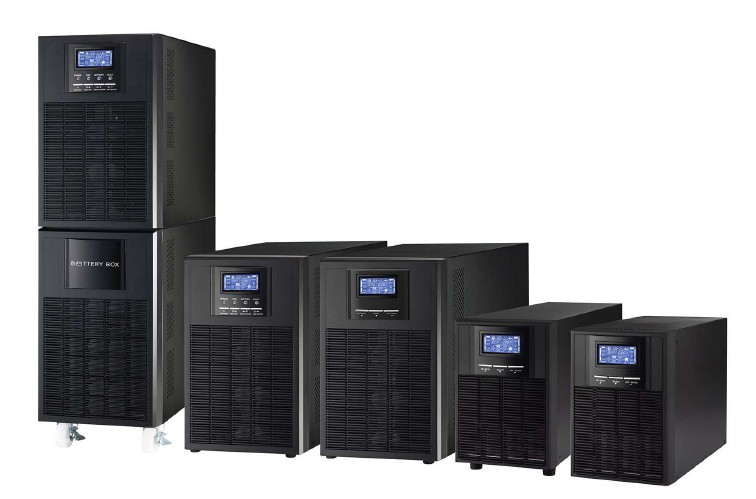
As our reliance on technology grows, so does the need for stable and continuous power. From bustling Bangkok offices to manufacturing plants in the Eastern Economic Corridor, a consistent power supply is essential for daily operations. Power disruptions, even brief ones, can lead to significant data loss, equipment damage, and costly downtime. This is where an uninterruptible power supply becomes so important for businesses and infrastructure.
The role of the uninterruptible power system is evolving beyond a simple backup battery. Modern systems are becoming smarter, more efficient, and better integrated into our energy infrastructure. As Thailand moves towards a greener energy future, with increasing adoption of solar and other renewables, the technology that supports power stability must also advance. The latest developments are not just about keeping the lights on; they are about intelligent power management.
One of the most significant trends is the shift towards smarter, more connected UPS devices. With the rise of the Internet of Things (IoT), these systems can now be monitored and managed remotely. This provides real-time data on power usage, battery health, and potential issues. For a facility manager in Thailand, this means they can receive alerts on their phone and proactively manage their power protection before a problem causes a shutdown, improving reliability across their entire operation.
Another major advancement is the improvement in energy efficiency. Older UPS models could be quite inefficient, consuming a considerable amount of power themselves. New “eco-mode” functionalities and advanced designs mean that modern units operate with much higher efficiency, often exceeding 95%. This reduces electricity consumption and lowers operational costs, which is a welcome benefit for any business. For a country focused on sustainability, this reduction in energy waste contributes to broader national goals.
Lithium-ion batteries are also changing the game. Traditionally, lead-acid batteries were the standard for UPS units. While effective, they are heavy, have a shorter lifespan, and require regular maintenance. Lithium-ion batteries offer a compelling alternative. They are smaller, lighter, and can last up to three times longer. Although the initial investment might be higher, their extended life and reduced maintenance needs result in a lower total cost of ownership over time.
Finally, we are seeing UPS technology play a greater part in energy storage and grid interaction. Modern systems can store excess energy, perhaps from solar panels during the day, and release it during peak demand hours. This not only provides backup power but also helps to stabilise the local power grid. As Thailand continues to build out its smart grid infrastructure, intelligent power protection systems will be a fundamental component in creating a more resilient and efficient energy network for everyone.