Kyoto blends ancient tradition with natural beauty, offering travelers a destination filled with temples, gardens, historic districts, and unforgettable cuisine. Whether you’re wandering through bamboo forests or sipping matcha in centuries-old teahouses, Kyoto promises a timeless travel experience.
Why Visit Kyoto?
Kyoto stands as the cultural heart of Japan, boasting more than 2,000 temples and shrines, traditional craft villages, and scenic landscapes that change with every season. It’s a city where heritage is preserved and celebrated in daily life.
Top Attractions to Explore
1. Fushimi Inari Taisha
Located at the base of Mount Inari, this iconic shrine is famous for its thousands of vermillion torii gates. Walking the trail is both peaceful and energizing, particularly during early mornings when crowds are minimal.
2. Arashiyama Bamboo Grove
A visit to Kyoto wouldn’t be complete without stepping into this surreal bamboo forest. The towering stalks create a calming atmosphere perfect for photography and quiet reflection.
3. Kiyomizu-dera Temple
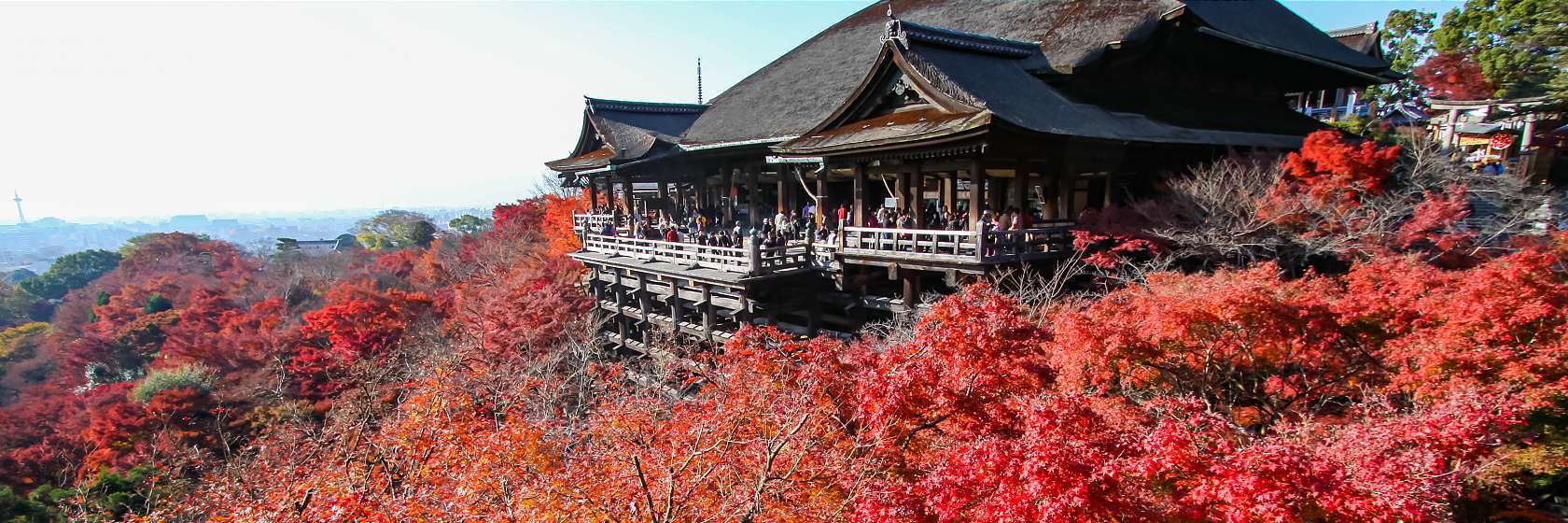
Perched on a hillside overlooking the city, this UNESCO World Heritage site offers panoramic views. Its wooden stage, built without the use of nails, is a testament to traditional Japanese craftsmanship.
4. The Gion District
Kyoto’s most famous geisha district features narrow lanes, wooden machiya houses, and cultural performances. Evening strolls often offer glimpses of geiko and maiko heading to appointments.
5. Philosopher’s Path
A scenic walkway lined with cherry trees, especially breathtaking during sakura season. It’s ideal for a leisurely walk between historic temples.
Best Time to Visit
Kyoto is spectacular year-round, but certain seasons elevate the experience:
- Spring (March–April): Cherry blossom season, mild weather, vibrant gardens.
- Autumn (October–November): Rich red and gold foliage, festive atmosphere.
- Winter: Quiet temples dusted with snow.
- Summer: Lush greenery and lively festivals like Gion Matsuri.
Local Cuisine to Try
Kyoto cuisine emphasizes subtle flavors and seasonal ingredients.
- Kaiseki Ryori: A multi-course dining experience showcasing refined culinary artistry.
- Matcha Sweets: From parfaits to traditional wagashi.
- Tofu Dishes: Yudofu and other delicacies prepared with Kyoto’s famous pure water.
- Ramen & Udon: Perfect comfort meals after a long day of exploring.
Where to Stay
Traditional Ryokan
Experience tatami floors, futon bedding, and hot spring baths for an authentic stay.
Modern Hotels
Central areas like Kyoto Station and downtown Kawaramachi offer convenient access to major attractions.
Machiya Rentals
Renovated wooden townhouses that allow you to live like a local.
Helpful Travel Tips
- Use Kyoto’s efficient bus and train system for easy citywide access.
- Buy an ICOCA card for convenient transport payments.
- Visit popular spots early in the morning to avoid crowds.
- Wear comfortable shoes—many attractions require walking.
FAQs
1. How many days should I spend in Kyoto?
Three to four days is ideal to explore major temples, districts, and nature spots without rushing.
2. Is Kyoto expensive for travelers?
While dining and accommodations can vary, Kyoto offers both budget and luxury options suitable for all travelers.
3. Can I see geisha performances in Kyoto?
Yes, cultural shows and tea house performances are available, especially in Gion and Pontocho.
4. Is Kyoto family-friendly?
Absolutely—gardens, temples, scenic walks, and cultural workshops are enjoyable for children and adults alike.
5. Does Kyoto require cash or cards?
Most places accept cards, but small shops and traditional markets often prefer cash.
6. How do I get to Kyoto from Tokyo?
The Shinkansen (bullet train) is the fastest option, taking about 2.5 hours.
7. Is Kyoto good for solo travelers?
Yes, the city is safe, peaceful, and easy to navigate, making it friendly for solo adventurers.