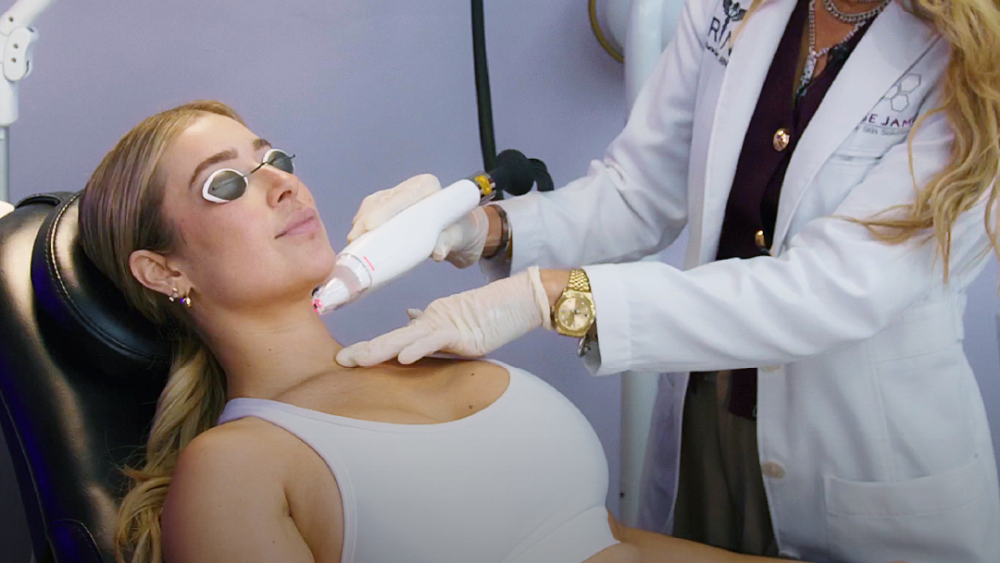
Skin-focused clinics often need treatments that can address texture, tone and general skin quality without placing every patient into an intensive procedure pathway. Before investing in a Lutronic Ultra laser, clinics should consider patient demand, treatment positioning, safety protocols and how the platform fits alongside existing services.
Start With The Skin Concerns Patients Already Raise
A clinic should begin by looking at the concerns it hears most often. Patients may ask about uneven tone, dullness, fine lines, sun damage, enlarged pores or general skin renewal. If those concerns are common, resurfacing-style technology may fit naturally into the clinic’s offering.
The device should not be introduced simply because it is available. It should answer a clear patient need. Practitioners should be able to explain where it sits compared with peels, facials, microneedling, injectables, energy-based treatments or more intensive laser procedures.
This helps prevent confusion. Patients often do not know which treatment they need. They rely on the clinic to explain the difference clearly and recommend an option that suits their skin, lifestyle and tolerance for downtime.
Consultation Quality Shapes Results And Satisfaction
Skin treatments depend heavily on proper assessment. Skin type, pigmentation risk, sensitivity, medication history, recent sun exposure and previous procedures may all affect suitability. A careful consultation helps decide whether treatment is appropriate and how it should be planned.
Expectation management is just as important. Some patients may hope for a dramatic change after one session, while others understand that skin improvement can be gradual. Practitioners need to explain what is realistic, how many sessions may be recommended and what aftercare is required.
Good consultation protects patient trust. If someone understands the treatment journey before starting, they are less likely to feel disappointed or confused later.
The Treatment Must Work Operationally
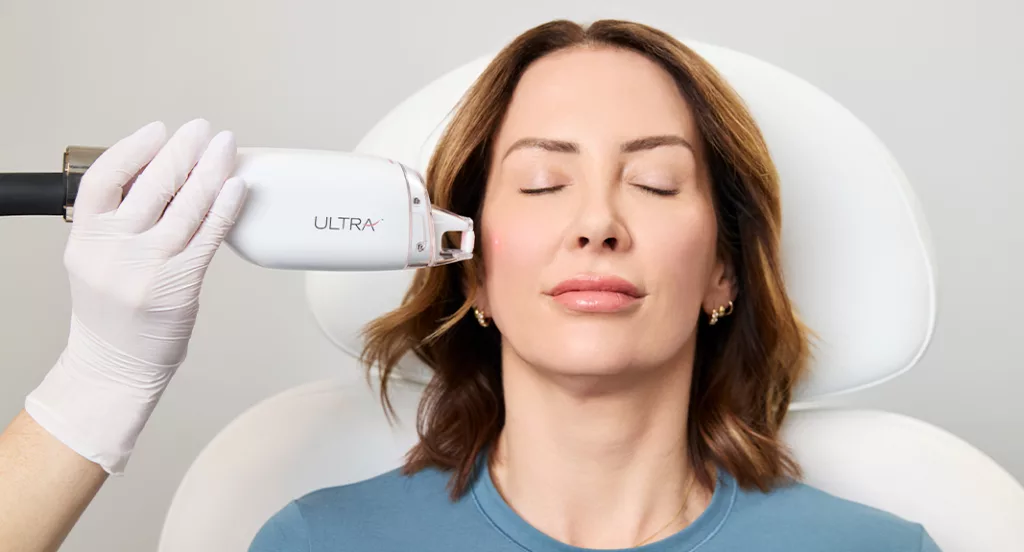
Adding a device affects the clinic’s daily schedule. Appointment length, room availability, practitioner training, consent, skin preparation and aftercare all need to be organised. If the process is unclear, the service can become inconsistent.
A clear treatment protocol is essential. Practitioners should know how to assess patients, choose settings, manage comfort, record treatment details and advise patients afterwards. The wider team should also understand how to handle enquiries and bookings.
The clinic should also think about how the treatment will be packaged. It may be offered as a single appointment, a course, or part of a broader skin programme. The clearer the structure, the easier it is for both staff and patients to understand.
A Strong Addition Should Support The Whole Menu
New technology should strengthen the clinic’s overall offering. It may help attract new patients, improve retention or give existing patients a new option between lighter skincare treatments and more intensive procedures.
The best fit is usually a device that practitioners can recommend confidently and use regularly. If the treatment supports common concerns, has a clear place in the patient pathway and is backed by proper training, it is more likely to become a valuable part of the clinic rather than an underused purchase.
For skin clinics, technology is most effective when it is matched with good assessment, careful communication and consistent delivery. That combination helps patients feel informed and helps the clinic build a stronger, more credible treatment service.