13
For generations, liver disease carried a single, stubborn stereotype: it was assumed to be the consequence of heavy, long-term alcohol consumption. That assumption is now dangerously outdated. Today, the most widespread chronic liver disorder in the United States affects people who drink very little alcohol or abstain from it entirely.
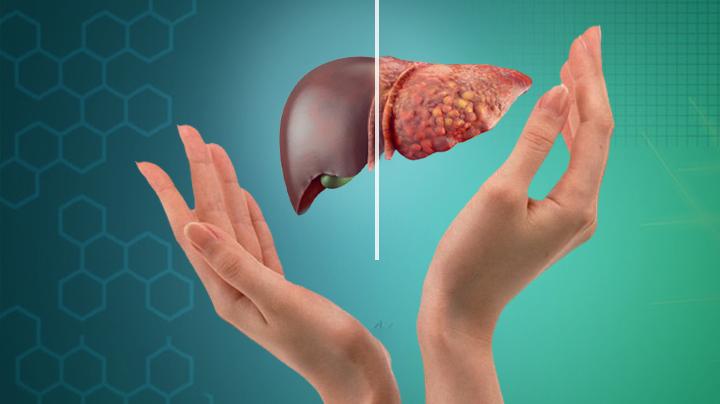
Known historically as non-alcoholic fatty liver disease (NAFLD) and increasingly referred to in clinical settings as metabolic dysfunction-associated steatotic liver disease (MASLD), this condition affects an estimated one in four American adults. Many individuals living with it feel perfectly fine, run marathons, or maintain an active lifestyle, completely unaware that excess fat has quietly settled inside their liver cells.
Understanding how this happens, why it matters, and how to intervene can change the trajectory of your long-term health. The liver is one of the most resilient organs in the human body, capable of remarkable healing when given the right conditions.
What Happens Inside the Liver When Alcohol Isn’t the Culprit
Your liver functions as a central chemical processing facility. It filters toxins, balances blood sugar, packages cholesterol, produces digestive bile, and synthesizes essential proteins. Under normal circumstances, the liver contains minimal fat, usually accounting for less than five percent of the organ’s total weight.
Steatosis occurs when the liver begins importing or manufacturing fat faster than it can metabolize or export it. When fat accumulation exceeds that five percent threshold, the condition is classified as a fatty liver.
The progression of the disease generally follows a spectrum:
Simple Steatosis
In its earliest form, fat accumulates within liver cells (hepatocytes) without causing noticeable cell injury or inflammation. For many individuals, the condition remains at this stage for decades without advancing. While simple steatosis is not an immediate emergency, it signals that systemic metabolism is strained.
Steatohepatitis
In a subset of individuals, the accumulated fat acts as a biological irritant. It triggers oxidative stress, causing liver cells to swell and become injured, a process pathologists call ballooning. White blood cells infiltrate the tissue, sparking chronic inflammation. At this stage, the condition is referred to as metabolic dysfunction-associated steatohepatitis (MASH).
Fibrosis and Cirrhosis
When inflammation persists over years, the liver attempts to heal itself by depositing collagen fibers. This internal scarring is known as fibrosis. In its early stages, fibrosis is subtle and flexible. However, if scarring continues unchecked across many years, it can form rigid bridges across the tissue, fundamentally altering blood flow and leading to cirrhosis. At that advanced stage, healthy liver tissue is replaced by permanent scar tissue, significantly elevating the risk of liver failure and cardiovascular complications.
The Hidden Drivers Behind Fat Accumulation
How does fat accumulate in the liver if alcohol is not the cause? The answer lies in how modern diets and human biology interact, particularly through the lens of insulin regulation.
Insulin Resistance as the Central Engine
Insulin is best known as the hormone that shuttles glucose out of the bloodstream and into muscles and organs for fuel. When muscle and fat cells become desensitized to insulin, a condition known as insulin resistance, the pancreas compensates by pumping out higher amounts of the hormone to keep blood sugar stable.
This chronic elevation of insulin signals the body to store energy rather than burn it. It prompts adipose tissue to release a flood of free fatty acids directly into the portal vein heading into the liver. Simultaneously, high insulin stimulates the liver to convert circulating carbohydrates directly into triglycerides through a pathway called de novo lipogenesis. The liver becomes caught in a biochemical trap: flooded with incoming fats from the periphery and forced to synthesize new fat internally.
The Impact of Added Sugars and Refined Carbohydrates
Dietary fat is not the sole cause of fat in the liver. In fact, refined sugars—specifically fructose—play an outsized role.
Unlike glucose, which nearly every cell in the human body can use for immediate energy, fructose is metabolized almost exclusively by the liver. When consumed in large amounts through sodas, sweetened teas, baked goods, and ultra-processed snacks containing high-fructose corn syrup, the liver is overwhelmed by rapid sugar delivery. It converts that excess fuel into fat droplets with startling efficiency.
Lean Individuals Can Develop It Too
A frequent misconception is that fatty liver disease only impacts people with high body weight. While obesity is a prominent risk factor, a notable subset of patients have what physicians classify as lean steatotic liver disease.
These individuals have a body mass index within the normal range, yet they store excess fat internally around abdominal organs rather than subcutaneously beneath the skin. This visceral fat is metabolically active and directly drains into the liver. Genetic variations, such as alterations in the PNPLA3 gene, also make certain individuals prone to retaining hepatic fat regardless of their outward appearance or scale weight.
Why the Condition Often Goes Undetected for Years
The liver is famously stoic. Because the liver tissue itself lacks sensory nerve endings, it cannot register pain from gradual fat accumulation or moderate inflammation. Nerves are only present on the outer capsule of the organ, meaning a person rarely feels discomfort unless the liver enlarges rapidly enough to stretch that outer lining.
When early symptoms do appear, they are vague, non-specific, and easy to attribute to normal daily stress:
A persistent, low-grade fatigue that does not resolve with a full night of sleep.
A subtle sensation of fullness or dull heaviness beneath the right side of the rib cage.
Mild brain fog or difficulty concentrating during mid-afternoon hours.
Most people discover they have a fatty liver entirely by accident. A routine annual physical might reveal slightly elevated liver enzymes on a comprehensive metabolic panel, or an abdominal ultrasound ordered for gallbladder issues or kidney stones might note an “echogenic” or bright appearance to the liver.
Crucially, normal liver enzyme levels do not rule out fatty liver disease. Enzymes such as ALT (alanine aminotransferase) and AST (aspartate aminotransferase) leak into the blood when liver cells burst and die. In many individuals with sluggish, low-grade fat storage or even moderate fibrosis, these enzymes remain comfortably within standard reference ranges. Relying solely on routine blood work can delay identification.
Modern Diagnostic Tools: Moving Beyond Guesswork
Historically, confirming the degree of liver inflammation and scarring required an invasive liver biopsy, where a core needle retrieves a small tissue sample from the organ. While biopsy remains the gold standard in complex clinical trials, medical practice has shifted toward sophisticated, painless, non-invasive assessment tools.
Simple Risk Calculators
Physicians frequently start with validated clinical algorithms like the FIB-4 Index. This calculation combines routine laboratory values—platelet counts, ALT, AST—with the patient’s age to estimate the likelihood of significant liver scarring. A low score provides strong confidence that advanced fibrosis is absent, while a higher score signals that further imaging is warranted.
Advanced Ultrasound Elastography
Standard abdominal ultrasound can readily detect moderate to severe fat, which appears bright white compared to adjacent kidney tissue. However, it cannot reliably quantify the exact fat percentage or measure tissue stiffness.
To bridge this gap, clinicians use specialized technologies such as transient elastography, commonly known by the brand name FibroScan. This quick, bedside test passes a gentle sound wave through the right side of the rib cage:
The controlled attenuation parameter (CAP) measures how much the ultrasound wave weakens as it passes through the liver, providing an objective score of fat content.
The shear wave velocity measures how quickly a mechanical vibration travels through the tissue. Scar tissue is stiff, allowing waves to travel faster. A softer liver reflects healthy, pliable tissue, while a stiffer liver indicates advancing fibrosis.
For even greater precision, MRI-based techniques, such as MRI-PDFF (proton density fat fraction), can map the entire organ and quantify liver fat down to small fractions of a percentage point.
Reversing the Course: Practical Strategies That Work
The most encouraging aspect of fatty liver disease in non-drinkers is its capacity for reversal. In its early and moderate phases, the liver can shed stored lipids, clear inflammatory debris, and even resorb newly formed scar tissue once metabolic pressure is lifted.
The Power of Modest Weight Loss
Dramatic weight loss is not required to produce meaningful physiological improvements. Clinical research indicates that losing just five percent of total body weight is often sufficient to reduce liver fat content significantly.
Pushing that reduction to seven to ten percent frequently halts cellular inflammation and allows early-stage fibrosis to regress. The key is consistent, gradual progress rather than extreme, rapid crash dieting, which can temporarily stress the liver by mobilizing a sudden wave of fatty acids through circulation.
Prioritizing Food Quality Over Extreme Restrictions
You do not need an exotic, overly restrictive diet to support liver clearance. The Mediterranean-style dietary pattern consistently yields the strongest outcomes for hepatic health:
Shift away from ultra-processed carbohydrates, particularly sweetened drinks, packaged baked goods, and refined flour.
Center meals around dietary fiber from legumes, vegetables, and whole grains, which slows glucose absorption and nourishes protective gut microbes.
Incorporate monounsaturated and omega-3 fats from extra virgin olive oil, wild-caught fish, walnuts, and avocados, which help reduce hepatic inflammation.
Emphasize unsweetened black coffee. Regular coffee consumption, typically two to three cups daily, is consistently associated with lower rates of liver scarring, likely due to bioactive polyphenols and caffeine metabolites that protect hepatic stellate cells.
Building Muscle to Clear Glucose
Exercise provides profound benefits to the liver, even if your weight on the scale stays completely flat. Muscle tissue is your body’s largest glucose disposal reservoir.
Engaging in regular resistance training, such as weightlifting or bodyweight exercises, stimulates muscles to draw glucose directly out of the blood without relying heavily on insulin. Pairing strength training with moderate aerobic activity, like brisk walking or cycling for thirty minutes most days, reduces visceral fat depots and promotes liver lipid oxidation.
The Emerging Role of Medical Therapies
For years, treatment focused entirely on lifestyle modifications because no targeted medications were available. That landscape has evolved.
In moderate to advanced cases where inflammation and fibrosis are active, physicians now have access to targeted pharmaceutical options. Compounds that selectively activate thyroid hormone receptor beta in the liver have been introduced to help accelerate fat metabolism and resolve scarring.
Concurrently, modern metabolic therapies, including GLP-1 receptor agonists commonly utilized for blood sugar management, have shown secondary benefits by enhancing insulin sensitivity, facilitating steady weight loss, and reducing hepatic fat accumulation.
A Proactive View of Liver Health
Receiving a diagnosis of fatty liver disease should not be a source of panic. Instead, it serves as an invaluable, early metabolic heads-up. It indicates that your body is managing more energy than its current cellular machinery can comfortably process, long before more serious cardiovascular or metabolic events occur.
By addressing insulin sensitivity, reducing exposure to liquid sugars, staying physically active, and working alongside a knowledgeable healthcare provider, you can support your liver’s natural ability to regenerate. The choices you make consistently each day create the exact environment your liver needs to recover its balance and safeguard your vitality for decades to come.